
First impressions decide car sales. A buyer walking up to your vehicle forms an opinion in seconds, long before they check the mileage or ask about service history. That is why car detailing before selling is one of the highest-return things you can do to prepare a vehicle — a professional detail costs a fraction of the price difference between a car that looks neglected and one that looks cared for, whether you are selling privately, trading in, or returning a lease.
A clean, well-presented car signals that it has been maintained. Buyers reasonably assume that an owner who kept the interior spotless and the paint protected also kept up with oil changes and repairs. Conversely, a cabin full of crumbs and a dull, salt-streaked exterior plants doubt, and doubt is what drives lowball offers. This guide covers exactly what to detail before selling, how it affects your final number, and how to time it for maximum impact.
Why Detailing Pays Off at Sale Time
Industry valuation guides such as Kelley Blue Book factor a vehicle’s condition and presentation into its resale value, which is why a clean, well-kept car consistently supports a stronger asking price.
The return on a pre-sale detail is rarely subtle. A vehicle that photographs and shows well attracts more interest, sells faster, and supports a stronger asking price. In the private market, better photos alone can be the difference between a listing that gets ignored and one that gets calls the first day.
The math is straightforward. If a professional detail helps you hold even a few hundred dollars of your asking price — or moves the car a week sooner so you are not making another payment on it — it has more than paid for itself. For dealers appraising a trade-in, presentation directly influences their reconditioning estimate, and a car that needs less cleanup work tends to appraise higher.
What to Detail Before Selling Your Car
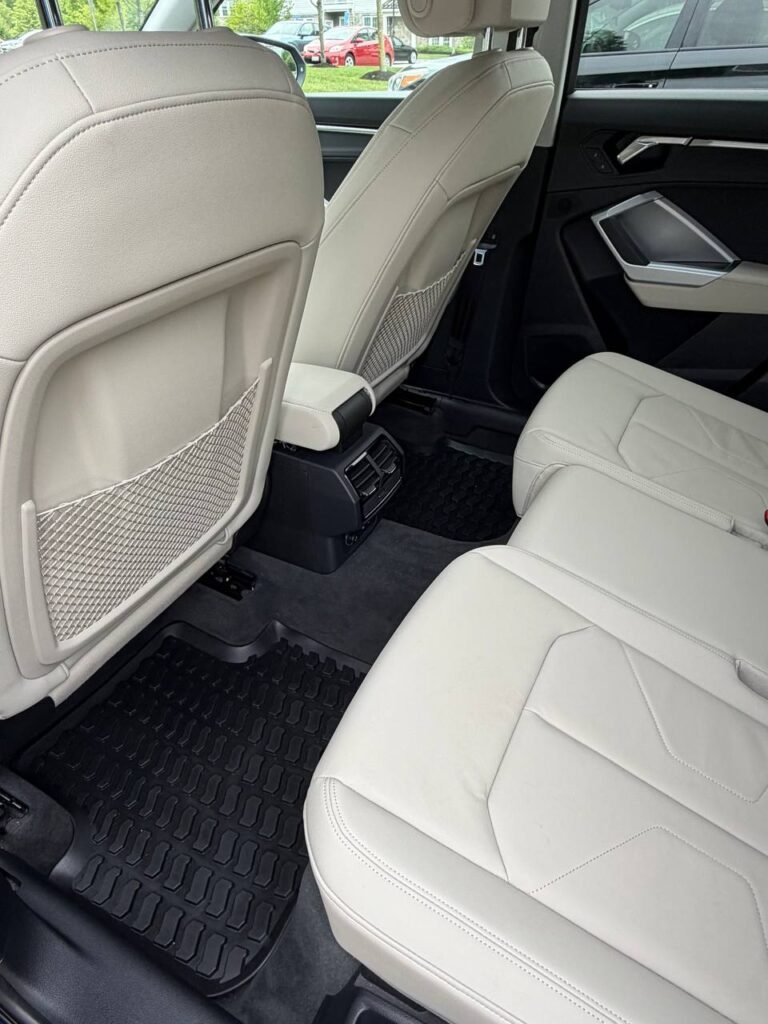
The interior is where buyers decide
Buyers spend most of their inspection sitting inside the car, so the cabin carries enormous weight. A thorough interior detailing service addresses the details that make a car feel cared for:
- Deep-extracted carpets and floor mats, free of stains and salt residue
- Clean, conditioned seats — whether cloth or leather
- Dust-free vents, console, and dashboard
- Streak-free glass, inside and out
- A neutral, clean smell rather than air-freshener overload
An interior that looks and smells fresh removes the psychological barriers that make buyers hesitate.
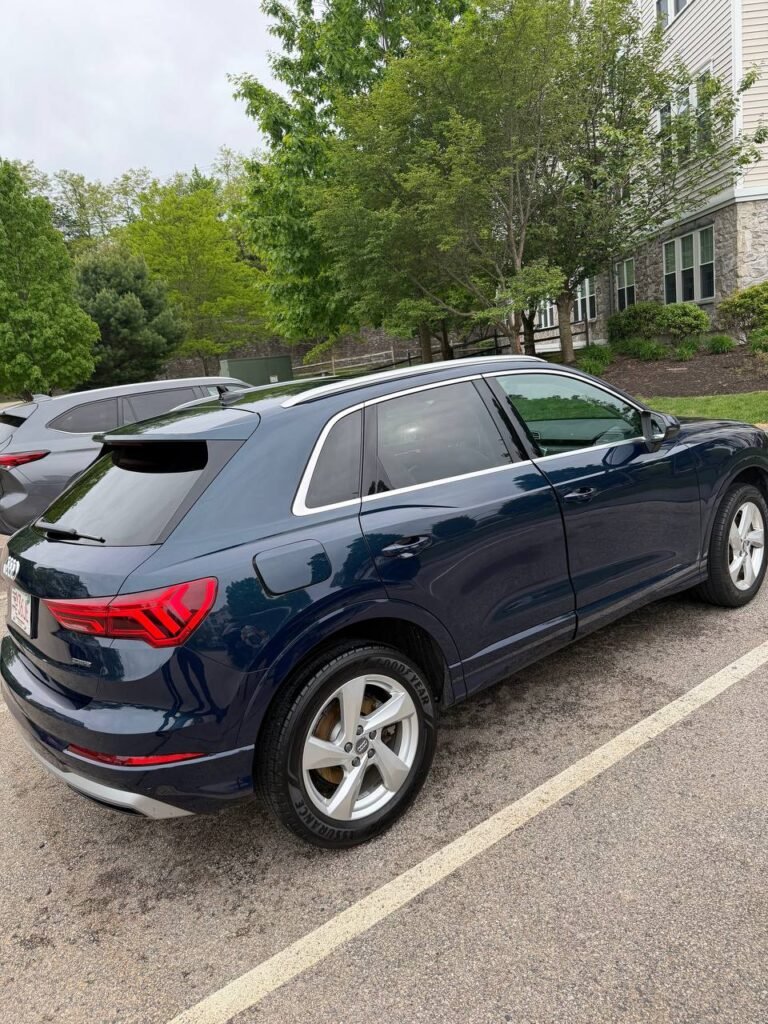
Exterior presentation drives the first impression
The outside is what a buyer sees first and what your listing photos capture. A proper exterior wash, decontamination, and finish brings back the depth and gloss that makes paint look healthy. For cars with visible swirl marks, oxidation, or light scratches, paint correction can dramatically improve the finish and is often worth it on higher-value vehicles.
The details buyers notice
Small things read as neglect. Cloudy, yellowed headlights make an entire car look older and can be restored with headlight restoration. Grimy wheels, dusty door jambs, and a cluttered trunk all quietly lower a buyer’s estimate of the car. A full detail catches these where a quick wash does not.
Interior Detail or Full Detail Before Selling?
For most private sales, a full interior and exterior detail gives the strongest result because it addresses everything a buyer will scrutinize. If your budget is tighter, prioritize based on your car: a mechanically strong but messy commuter benefits most from interior work, while a well-kept car with tired-looking paint gains the most from exterior correction. When you book, describe the car’s condition and the sale timeline, and a good detailer will recommend the service that delivers the best return for your situation.
Timing Your Pre-Sale Detail
Timing matters more than people expect. Detail the car right before you photograph and list it, not weeks ahead. You want the vehicle at its peak when the photos are taken and when buyers come to see it. If there is a gap between detailing and showings, keep the car covered or garaged so it stays pristine.
For trade-ins and lease returns, detail shortly before your appraisal or turn-in inspection for the same reason — you want the inspector’s first impression to be a clean, well-kept vehicle. A lease return in particular rewards a clean interior, since wear that looks like neglect can invite charges that a good cleaning would have avoided.
Take Better Listing Photos After Detailing
A fresh detail and good photos are a powerful combination. Once the car is clean:
- Shoot in soft, even light — early morning or the golden hour before sunset avoids harsh glare and shadows.
- Choose a clean, uncluttered background that keeps attention on the car.
- Capture every angle: all four sides, the wheels, the engine bay, the trunk, the seats, the dash, and the odometer.
- Get close on the details you just had cleaned — crisp seats, clear headlights, glossy paint.
Great photos are what turn a clean car into a listing that sells quickly.
The Mobile Advantage When Selling
A mobile detail is especially convenient when you are juggling a sale. Deelway comes to your driveway, so there is no dropping the car at a shop and arranging a ride during a week when you may already be coordinating showings and test drives. The car is detailed at home and ready to photograph the moment the work is done. Our overview of the benefits of mobile detailing covers why that convenience matters, particularly on a tight sale timeline.
What Detailing Can and Cannot Do Before a Sale
Detailing is powerful, but it is worth being realistic so you spend where it counts. A professional detail will genuinely transform how a car presents:
- It removes stains, odors, and years of built-up grime from the interior
- It restores gloss and depth to dull, weathered paint
- It reduces or eliminates light swirl marks and surface scratches through correction
- It brings back clarity to yellowed headlights
What it cannot do is mask real problems, and you should not expect it to. Deep dents, cracked trim, torn upholstery, and mechanical issues are outside the scope of cleaning, and honesty about them protects you in a sale. A spotless car with an accurate description builds the buyer trust that closes a deal; a clean car hiding known issues invites the kind of dispute no seller wants.
The smartest approach is to let detailing do what it does best — make a fundamentally sound car look its absolute best — while being upfront about anything a detail does not address. Buyers reward that combination of great presentation and straight answers, and it is exactly how a well-prepared car commands a stronger price than a comparable neglected one.
Small Extras That Reassure Buyers
Once the detail is done, a few finishing touches reinforce the impression of a well-kept car. Make sure the spare key, owner’s manual, and any service records are clean and ready to hand over — a tidy folder of maintenance history alongside a spotless car tells a consistent story. Check that the trunk and under-seat areas are as clean as the visible cabin, since a thorough buyer will look there. And resist the urge to drown the interior in air freshener; a genuinely clean, neutral smell is far more convincing than a heavy fragrance, which buyers often read as covering something up. These small steps cost nothing and complete the impression your detail worked to create.
Trade-In vs. Private Sale: Where Detailing Matters Most
Both benefit from a detail, but for different reasons. At a dealership trade-in, presentation shapes the reconditioning estimate the appraiser builds into their offer — a car that needs less cleanup work tends to appraise higher. In a private sale, presentation drives the listing itself: better photos, more inquiries, faster offers, and less room for buyers to negotiate down over a tired-looking interior. If you are choosing where to spend, a private sale rewards a full detail most.
Common Pre-Sale Mistakes to Avoid
Two mistakes cost sellers regularly. The first is masking instead of cleaning — drowning the cabin in air freshener reads as hiding something, where a genuinely clean, neutral smell builds trust. The second is detailing too early: if you clean the car two weeks before showings and then keep driving it, the fresh-detail advantage is gone by the time buyers arrive. Detail it right before you photograph and list.
Book a Pre-Sale Detail
Getting a vehicle ready to sell is one of the best reasons to book a professional detail. Deelway Mobile Detailing brings the full service to your location across southeastern Massachusetts. Call or text (508) 690-6120, or request an appointment, and let us know you are preparing the car for sale so we can recommend the right package. We confirm your vehicle size, service, and timing in advance, and payment is collected after the work is finished — there is no online prepayment.
Frequently Asked Questions
Is it worth detailing a car before selling it?
In most cases, yes. A detail typically costs a small fraction of the price difference between a neglected-looking car and a clean one. It helps the vehicle sell faster, photograph better, and support a stronger asking price, so the return usually exceeds the cost.
Should I get an interior or full detail before selling?
A full detail gives the strongest overall impression because buyers scrutinize both inside and out. If budget is limited, prioritize the interior for a messy but mechanically sound car, or exterior correction for a well-kept car with tired paint.
When should I detail my car before listing it?
Detail it right before you take listing photos and begin showings, not weeks ahead. You want the car at its best when buyers first see it, both in photos and in person. Keep it covered or garaged if there is any gap.
Does detailing help with a dealership trade-in?
It can. Presentation influences a dealer’s reconditioning estimate, and a clean car that needs less work often appraises higher. Detailing before your trade-in appraisal is a low-cost way to support a better offer.
Will detailing remove scratches before I sell?
Light swirl marks and surface scratches can be significantly improved with paint correction. Deeper scratches that have gone through the clear coat may not fully disappear, but a professional can tell you what is correctable when they assess the car.
Should I detail a car before returning a lease?
Yes. Lease-return inspections penalize excessive wear, and a clean interior and exterior help avoid charges for damage that is really just neglect. A pre-return detail is inexpensive insurance against surprise fees.