
A few smart winter car care tips go a long way in New England, where road salt, snow, and freezing temperatures are hard on any vehicle.
New England is one of the harshest automotive environments in the United States. Massachusetts drivers contend with road salt from November through March, freeze-thaw cycles that drive moisture under trim pieces and into paint seams, UV summers that degrade unprotected clear coat, and coastal humidity that accelerates rust in areas where salt residue lingers. Protecting your car from New England weather is not a seasonal activity — it is a year-round strategy that pays off in preserved paint, higher resale value, and lower long-term maintenance costs.
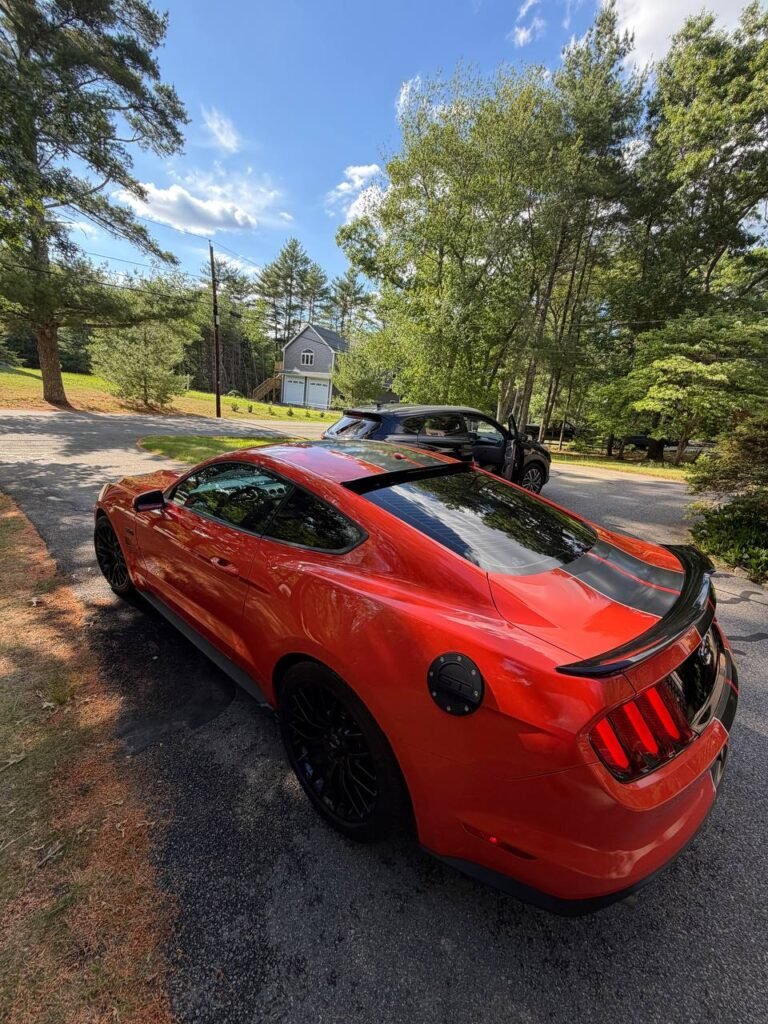
This guide covers every season in the New England automotive calendar: what damage each season inflicts, what professional services defend against it, and what DIY steps fill the gaps between professional appointments. Whether you drive a daily commuter on Route 44 in Raynham or a weekend vehicle stored through winter in Berkley, this guide gives you the actionable plan to protect your investment against everything southeastern Massachusetts throws at it.
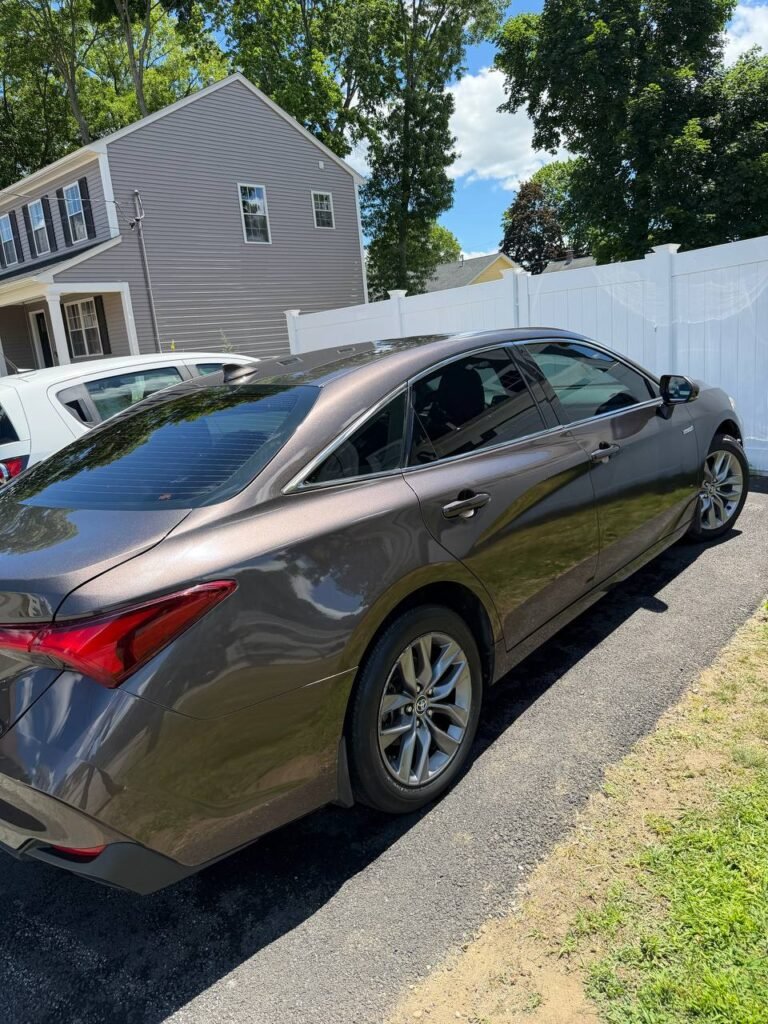
Deelway Mobile Detailing serves 25+ communities in southeastern Massachusetts, 7 days a week. Call (508) 690-6120 or book online for the appointments that protect your vehicle through every New England season. Interior from $220 • Full detail from $280 • Ceramic coating from $500.
📄 In This Guide
How New England Weather Damages Your Car
Understanding the specific damage mechanisms that New England weather inflicts on vehicles is the foundation of an effective protection strategy. Each season creates a distinct threat profile:
| Season | Primary Threats | Parts Affected |
|---|---|---|
| Winter | Road salt, ice melt chemicals, freeze-thaw moisture cycles | Clear coat, underbody, wheel wells, brake components, carpet |
| Spring | Bonded salt contamination, tree sap, pollen, UV begins | Paint clear coat, fabric upholstery, carpet (salt residue) |
| Summer | UV radiation, heat cycles, bird droppings, water spot etching | Clear coat, plastic trim, headlight lenses, leather/vinyl |
| Fall | Leaves (tannin staining), early frost, moisture under trim | Paint, rubber seals, drain channels, fabric surfaces |
How to Protect Your Car From Road Salt in Massachusetts
Road salt is the single largest automotive threat for Massachusetts drivers. The Massachusetts Department of Transportation and municipal crews apply sodium chloride, calcium chloride, and magnesium chloride to roads throughout Bristol, Plymouth, and Norfolk counties from November through mid-April. These chemicals are highly effective at melting ice — and at attacking automotive finishes, underbody components, and brake systems.
How Road Salt Damages Your Vehicle
Salt does not simply wash off with a standard car wash. Road salt compounds combine with brake dust particles, road tar, and environmental fallout to form a bonded contamination layer on painted surfaces. This layer traps moisture against the clear coat and creates an electrochemical environment that slowly etches the paint surface. The damage compounds through spring and summer as UV radiation and heat accelerate the process on already-compromised clear coat.
On underbody components — frame rails, suspension components, wheel wells, and brake hardware — salt accelerates oxidation of uncoated metal surfaces. Vehicles driven heavily on salted Massachusetts roads accumulate rust in these areas within 3 to 5 years without active protection and cleaning.
Inside the cabin, salt is tracked in on boots and floor mats. Salt crystals embedded in carpet fibers pull moisture from the air and create a continuously damp environment that contributes to mold growth, odor, and carpet fiber deterioration.
Professional Protection Against Road Salt
The most effective professional defenses against Massachusetts road salt damage are:
- Fall full detail with spray wax before the salt season: Applying fresh wax to clean, decontaminated paint in October or early November creates a protective layer that slows salt bonding. Wax acts as a sacrificial barrier — salt bonds to the wax first, not directly to the clear coat.
- Spring full detail with clay bar decontamination: The spring full detail is the most important single appointment for Massachusetts vehicles. Clay bar physically removes bonded salt contamination that 5 months of washing cannot. This resets the paint surface before summer UV exposure can accelerate damage to contaminated clear coat.
- Ceramic coating for multi-year salt protection: Ceramic coating creates a chemically bonded hydrophobic surface that dramatically reduces salt adhesion and simplifies post-salt rinsing. A properly applied ceramic coating from $500 provides 2 to 5 years of active paint protection through multiple New England winters.
- Winter interior detail: Professional hot water extraction removes salt-laden moisture from carpet fibers, preventing the moisture-retention cycle that degrades carpet from the inside during closed-window winter months.
How to Protect Your Car in Winter: New England Edition
The active winter protection strategy for Massachusetts vehicles combines professional preparation before the season with practical DIY habits during it:
Before Winter: Professional Fall Preparation
The most effective time to protect your car from New England winter is before winter begins. A fall full detail in October or early November — ideally after the last fall rains have cleaned road grime but before the first freeze — applies fresh spray wax protection before salt season begins. This single appointment reduces the severity of spring cleanup and directly extends the life of your factory clear coat through the winter.
If your paint has existing swirl marks or light oxidation, scheduling paint correction before a fall wax or ceramic coating application removes existing damage before winter adds to it. Attempting to protect compromised paint amplifies the defects rather than hiding them.
During Winter: DIY Maintenance Between Professional Appointments
- Rinse after significant salt events. When temperatures rise above freezing (35°F+) after a snowstorm or heavy salting event, rinse the exterior with a garden hose — particularly wheel wells, lower body panels, rocker panels, and underbody areas. This dilutes salt concentration before it dries and bonds.
- Avoid automatic car washes with brushes or pads. Soft-touch automatic washes introduce swirl marks and do not remove bonded salt contamination. They move surface contamination without removing it. See our professional detailing vs car wash comparison for full details.
- Use floor mat liners. Heavy rubber or thermoplastic all-weather floor mats prevent salt and slush from reaching the carpet. They are the single most effective DIY winter interior protection tool.
- Leave shoes at the door. Removing salt-covered boots before entering the vehicle prevents salt from reaching carpet fibers directly — difficult in practice but highly effective when possible.
Headlight Lens Protection in Winter
Plastic headlight lenses degrade significantly faster in New England winters due to UV exposure combined with abrasive road grit and deicing chemicals. Yellowed headlights reduce night visibility by up to 80% and are a safety issue as well as an aesthetic one. Headlight restoration (from $60/pair) and UV sealant application is the correct treatment once yellowing begins. Maintaining clear lenses is easier than restoring severely degraded ones.
Spring Recovery: Undoing New England Winter Damage
Spring is the most active professional car care season in Massachusetts for good reason. Five months of salt exposure requires an active decontamination response, not passive observation. The spring professional detail is where New England winter damage is addressed before it becomes permanent.
The Spring Full Detail: What Happens and Why
A professional spring full detail at Deelway includes:
- Iron remover treatment on wheels and lower body panels dissolves embedded iron particles from brake dust and road contact before clay bar work begins.
- Clay bar decontamination across all painted surfaces removes bonded road salt, road tar, tree sap, and industrial fallout. After clay, paint should feel glassy smooth under a bare hand.
- Two-bucket hand wash with pH-neutral soap and microfiber mitt removes surface contamination without introducing swirl marks.
- Spray wax application provides 4 to 8 weeks of paint protection through the spring and into early summer.
- Interior hot water extraction removes salt residue from carpet fibers, eliminating the moisture-retention problem before summer heat turns it into a mold and odor issue.
This sequence is the annual reset that keeps Massachusetts vehicles in long-term health. Read our best time to detail your car guide for the complete spring timing strategy.
Summer UV Protection for Massachusetts Vehicles
New England summers bring intense UV radiation that degrades automotive finishes faster than most Massachusetts drivers expect. UV breaks down the molecular structure of clear coat over time, causing fading, oxidation, chalking, and loss of gloss. Dark-colored vehicles — especially black, dark blue, and dark grey — show UV damage most visibly in swirl marks and a cloudy finish under direct sunlight.
Plastic components are particularly vulnerable: exterior trim pieces, rubber door seals, headlight lenses, and soft-top convertible materials all degrade under UV exposure without active protection. Trim and rubber protectants applied during professional detail appointments provide UV-blocking protection that significantly extends the life of these components.
Summer is the optimal season for ceramic coating application in Massachusetts. Stable warm temperatures (above 60°F) and longer daylight hours allow for careful panel-by-panel application and proper initial cure. A ceramic coating applied in early summer provides active UV-blocking protection through the peak UV months and into the following winter’s salt season.
For vehicles with UV-damaged paint from prior summers, paint correction in spring or early summer removes oxidation and swirl marks before ceramic coating application seals the corrected surface. This combined spring paint correction + summer ceramic coating appointment sequence is the highest-value long-term paint protection strategy for Massachusetts vehicles.
Fall Pre-Winter Preparation for Massachusetts Vehicles
Fall is the last opportunity to apply professional protection to your vehicle before the salt season begins. The fall preparation window in Massachusetts is September through early November — after summer road grime has been cleaned but before the first significant road salt application.
What to Do Before Winter Starts
- Schedule a fall full detail before mid-November. Fresh wax applied to clean paint slows salt adhesion during the season. The difference between entering winter with fresh wax and entering with 6-month-old depleted wax is measurable in how quickly contamination bonds in January and February.
- Treat any existing odors before closing the windows. Pet odor, food odor, and any moisture-related odor compounds intensify in a sealed winter cabin with minimal ventilation. Odor removal service (from $80) before winter prevents a 5-month odor-building period.
- Remove pet hair before winter. Pet hair removal (from $60) is more effective in fall before winter moisture creates a bonding effect between hair fibers and fabric.
- Check headlights. If your headlights show yellowing or haziness, address it before winter reduces available daylight. Headlight restoration from $60/pair restores clarity and nighttime safety.
- Consider ceramic coating if not already applied. A late-September or October ceramic coating appointment — while temperatures are still above 50°F — provides active protection through the full winter season from day one.
Ceramic Coating: The Long-Term Solution for New England Weather Protection
Ceramic coating is the most effective long-term paint protection solution for New England weather. While spray wax provides 4 to 8 weeks of protection and must be reapplied multiple times per year, a professional ceramic coating creates a chemically bonded, semi-permanent hydrophobic surface that lasts 2 to 5 years per application.
Why Ceramic Coating Makes Sense for Massachusetts Drivers
The hydrophobic properties of ceramic coating significantly reduce road salt adhesion to the paint surface. Salt-contaminated water beads and runs off a coated surface far more effectively than off waxed or unprotected paint. While no surface protection completely eliminates salt bonding, ceramic coating reduces the contamination load between professional clay bar decontamination appointments — meaning each spring full detail starts from a lower contamination baseline.
The long-term cost comparison is compelling. A ceramic coating applied at $500 and lasting 3 years costs approximately $167 per year in paint protection. Four annual spray wax applications as part of detail appointments cost $280+ per visit — the wax protection component of that cost significantly exceeds the annualized ceramic coating cost while providing inferior protection.
Ceramic coating is applied following paint correction (if the paint has existing swirl marks or oxidation), in temperatures above 50°F, in a shaded location. Deelway offers ceramic coating from $500 for sedans with full paint preparation included. Call (508) 690-6120 for a specific quote for your vehicle.
Deelway Mobile Detailing protects vehicles from New England weather year-round across all of southeastern Massachusetts: Raynham, Taunton, Attleboro, Norton, Mansfield, Franklin, Plainville, Wrentham, Easton, Stoughton, Brockton, Bridgewater, Somerset, Swansea, Seekonk, Dighton, Berkley, Rehoboth, Whitman. Full service area.
How to Protect Your Car From New England Weather — FAQ
Protect Your Car From Every New England Season
Full detail from $280 • Ceramic coating from $500 • No travel fees • 7 days a week across southeastern Massachusetts.
Related Guides
- Best Time of Year to Detail Your Car in Massachusetts
- How Often Should You Detail Your Car?
- Mobile Car Detailing Near Me: The Complete Guide
- How Much Does Mobile Car Detailing Cost in Massachusetts?
- Interior Car Detailing vs Full Detail
- Professional Car Detailing vs Automatic Car Wash
All Services
- Full Car Detailing — from $280
- Ceramic Coating — from $500
- Paint Correction — from $250
- Interior Car Detailing — from $220
- All Packages & Pricing
- Deelway Mobile Detailing — Home
Related Reading
👉 How Road Salt Damages Your Car — Winter salt is the enemy of paint, undercarriage, and trim. Here’s what to do.
New England’s freeze-thaw cycles and road salt are hard on vehicles, as AAA documents in its winter driving guidance.