
One of the most frequently asked questions in professional auto care is: how often should you detail your car? The answer depends on your vehicle’s use, your local climate, your personal tolerance for interior grime, and the types of protection treatments already on your paint. In Massachusetts, the answer also depends heavily on the road salt season — a factor that makes detailing frequency a preservation issue, not just an aesthetic one. This guide gives you a practical, evidence-based schedule for every type of Massachusetts driver.
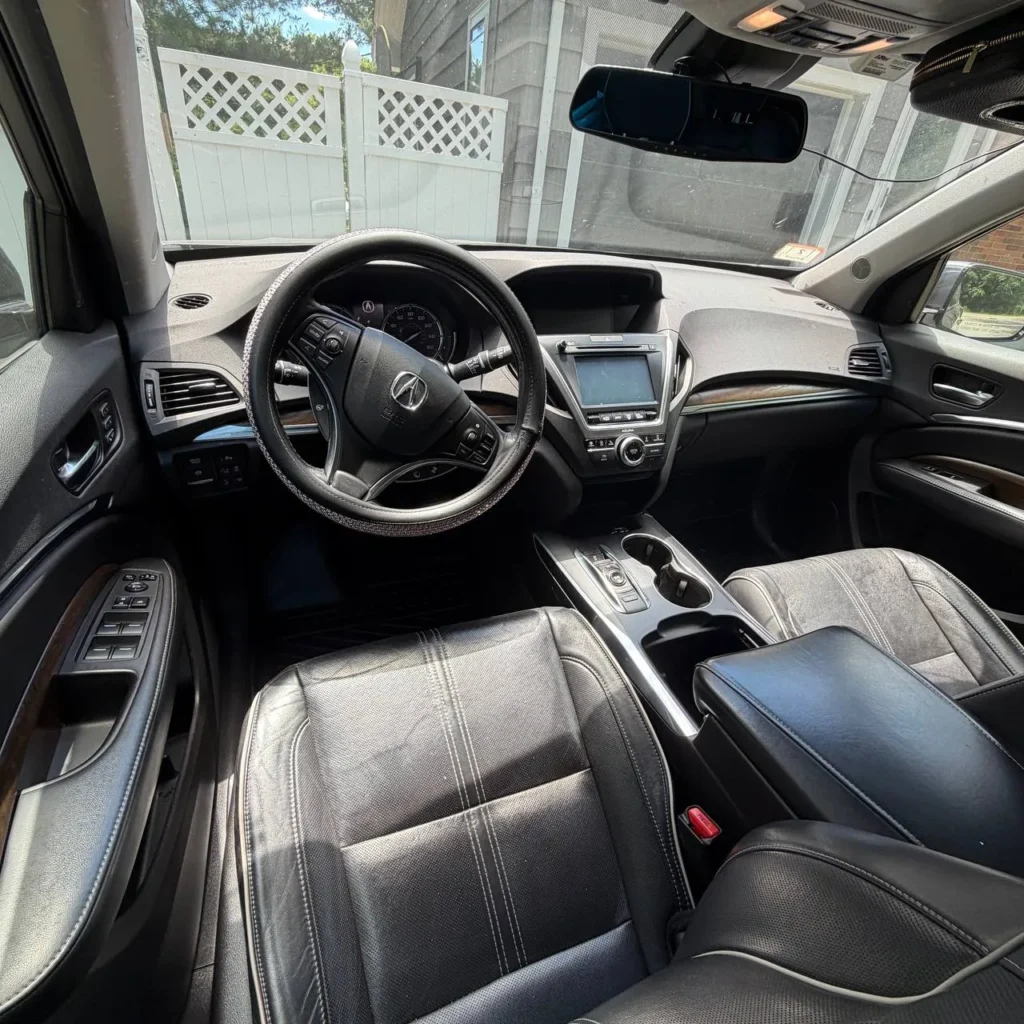
The most important thing to understand about detailing frequency is that it is cheaper to maintain than to restore. A vehicle detailed twice per year requires minimal work at each appointment. A vehicle neglected for 3 to 5 years requires significantly more time, more chemicals, and more aggressive techniques — at higher cost — to achieve the same result. Frequency is the single most cost-effective variable in your vehicle’s care budget. The right answer for most Massachusetts drivers is: more often than you probably are, and always anchored to the salt season calendar.
Deelway Mobile Detailing serves southeastern Massachusetts 7 days a week. Call (508) 690-6120 or book online for scheduling. Interior from $220, full detail from $280.
📄 In This Guide
How Often Should You Detail Your Car: The General Rule
For most drivers, the professional standard answer to how often you should detail your car is twice per year: once in spring and once in fall. This schedule aligns both with seasonal inflection points in your vehicle’s exposure and with the two moments when detailing produces the highest return per appointment.
Spring detailing removes the winter’s accumulated road salt, sand, and deicing chemical residue before they continue working on your clear coat and underbody through the UV-intense summer months. Fall detailing prepares the vehicle’s paint, interior, and protection layer for the incoming winter salt season — ensuring you enter the most chemically aggressive driving period with fresh protective treatments in place.
Twice per year is a minimum maintenance standard. Many drivers benefit from quarterly detailing, particularly those with young children, pets, high daily mileage, or premium vehicles where resale value preservation is a priority. Interior-only service can be performed more frequently than full exterior details — many Massachusetts drivers book an interior detail every 3 to 4 months and a full detail twice yearly.
How Often Should You Detail Your Car Based on Vehicle Use?
Vehicle use is the strongest predictor of detailing frequency needs. Here is a breakdown by use pattern:
Daily Driver with Average Use (Solo Commuter)
Recommended frequency: Interior detail every 4–6 months, full detail 2–3 times per year. The typical solo commuter accumulates surface dust, food and coffee residue, and light road grime at a moderate rate. Two annual details — spring and fall — are sufficient minimum maintenance. If you eat in your car regularly, increase to 3 interior details per year.
Family Vehicle with Children
Recommended frequency: Interior detail every 2–3 months. Children generate food debris, juice spills, crayon marks, sand, and general chaos at a rate that overwhelms a twice-yearly schedule. Left untreated, food-based stains set within 48 hours and become increasingly difficult to remove. Every 2 to 3 months maintains a restoreable interior baseline and prevents accumulated damage that requires more aggressive (and expensive) treatment at each professional appointment.
Vehicle with Pets (Dogs, Cats in Car Carriers)
Recommended frequency: Interior detail every 2–3 months with pet hair removal. Pet hair embeds in carpet and seat fabric weave progressively with each trip. Dander accumulation in HVAC filters and upholstery foam affects cabin air quality over time. Pet odor compounds penetrate beyond surface layers within weeks of regular transport. A 2 to 3 month interior detail cycle with professional pet hair removal prevents permanent embedding and odor penetration.
High-Mileage Work Vehicle
Recommended frequency: Interior detail quarterly, exterior detail or full detail every 4–6 months. Contractors, real estate agents, sales reps, and other professionals who drive 25,000+ miles per year should maintain a quarterly interior schedule. The exterior should be addressed at least bi-annually — more frequently if the vehicle regularly travels unpaved access roads, construction sites, or salt-treated commercial lots.
Low-Use or Weekend Vehicle
Recommended frequency: Full detail once per year minimum. Vehicles that accumulate fewer than 10,000 miles annually still need annual professional service. UV exposure, dust accumulation on leather and trim surfaces, brake dust buildup on wheels, and moisture in rarely vacuumed carpet are time-based damage mechanisms that operate independently of mileage.
How Often Should You Detail Your Car in Massachusetts Because of Road Salt?
Massachusetts’s salt season runs from roughly November through March. During this period, state and municipal crews apply sodium chloride, magnesium chloride, and calcium chloride to all major and secondary roads at rates that consistently rank Massachusetts among the highest road salt usage states in the northeast.
Road salt’s damage mechanism is not primarily immediate corrosion but bonding contamination. Salt compounds combine with road tar, iron particles from brake dust, and environmental fallout to form a bonded layer on paint surfaces that standard washing cannot remove. This layer holds moisture against the clear coat and begins a slow etching process that worsens through spring and summer UV exposure.
The spring detail — specifically the clay bar decontamination step included in a professional full detail — is the only method that physically removes this bonded contamination from the paint surface. This is why the spring full detail is not optional maintenance for Massachusetts vehicles: it is the annual intervention that resets your paint’s contamination level before summer heat and UV accelerate the damage process.
For the full context on New England-specific vehicle care, read our how to protect your car from New England weather guide and our best time of year to detail your car in Massachusetts guide.
Recommended Detailing Frequency by Service Type in Massachusetts
| Service | Minimum Frequency | Recommended Frequency | When to Book |
|---|---|---|---|
| Interior Detail | 2x per year | 3–4x per year | Spring, Summer, Fall, Winter |
| Full Detail | 2x per year | 2–3x per year | Spring (essential) + Fall |
| Ceramic Coating | Once every 2–3 years | Every 2–3 years | Spring after paint correction |
| Paint Correction | As needed | Every 3–5 years | Before ceramic coating |
| Odor Removal | As needed | At first sign of odor | Do not delay — penetration worsens |
| Headlight Restoration | Every 2–3 years | When yellowing is visible | Add to any appointment |
How Often Should You Detail Your Car Based on Vehicle Type?
Luxury and Premium Vehicles
Premium vehicles — German luxury sedans, high-end American trucks, premium SUVs — have higher resale values that are more meaningfully impacted by interior and exterior condition. Quarterly interior service and 2 to 3 annual full details are appropriate for vehicles in the $40,000+ price range where condition meaningfully affects residual value at trade-in or private sale. Ceramic coating is particularly cost-effective on premium vehicles because the protection benefit relative to paint cost is higher.
Dark-Colored Vehicles (Black, Dark Blue, Dark Grey)
Dark paint shows swirl marks, water spots, and light scratches dramatically more than light-colored vehicles under direct sunlight. Dark vehicle owners should schedule full details with paint decontamination at least twice yearly and should consider annual paint correction if their vehicle spends significant time in commercial car washes. Manual washing with the two-bucket method between professional appointments significantly reduces swirl mark accumulation.
Vehicles Used for Rideshare (Uber, Lyft)
Rideshare vehicles should receive interior details every 4 to 6 weeks during active use periods. The rapid accumulation of passengers, food odors, door scuffs, and general wear makes monthly professional interior service a business operating cost for active rideshare drivers, not a personal luxury. Odor management is particularly important for rideshare vehicles where passenger ratings directly affect income.
Signs You Need to Detail Your Car Right Now
Regardless of your schedule, certain conditions indicate that detailing should not be deferred:
- Your paint feels rough to the touch after washing. A clean painted surface should feel smooth and slick when you run a bare hand over it. Roughness indicates bonded contamination (road salt, brake dust, tree sap, industrial fallout) that cannot be removed by washing — it requires clay bar decontamination in a professional full detail.
- Stains or spills that are more than 72 hours old. Organic stains (food, drink, pet) bond progressively with fabric fibers over time. A 3-day-old stain is significantly more difficult to remove than a fresh spill. Do not wait for a scheduled appointment if a significant stain occurs.
- Visible odor that is not resolved by airing out the vehicle. Persistent odor after opening windows for a day is embedded contamination. Call Deelway’s odor removal service immediately — odor-causing organic compounds penetrate deeper over time.
- It has been more than 8 months since the last professional service. If you cannot remember when your vehicle was last professionally detailed, book an appointment. The accumulated contamination, salt residue, and interior soiling from this interval has likely reached levels that at-home maintenance cannot address.
- You are about to sell or trade in the vehicle. Professional detailing before listing a vehicle for private sale or trade-in is one of the highest-ROI actions you can take to maximize sale price. Read our best time to detail guide for full guidance on pre-sale detailing timing.
How Often Massachusetts Drivers in Our Service Area Should Book
Deelway Mobile Detailing serves all of the following Massachusetts communities. Each area shares the same road salt exposure and seasonal schedule — the spring full detail and fall interior detail schedule applies universally:
How Often Should You Detail Your Car — Frequently Asked Questions
Sticking to a regular schedule is part of the preventive maintenance the nonprofit Car Care Council recommends to protect a vehicle’s long-term value.
Schedule Your Next Massachusetts Detail Today
Interior from $220 • Full detail from $280 • Open 7 days a week • No travel fees in southeastern Massachusetts.
Related Guides
- Mobile Car Detailing Near Me: The Complete Guide
- How Much Does Mobile Car Detailing Cost in Massachusetts?
- Interior Car Detailing vs Full Detail
- How Long Does a Car Detail Take?
- Best Time of Year to Detail Your Car in Massachusetts
- How to Protect Your Car From New England Weather
All Services
- Interior Car Detailing — from $220
- Full Car Detailing — from $280
- Ceramic Coating — from $500
- All Packages & Pricing
- Deelway Mobile Detailing — Home
Signs Your Car Needs a Detail Sooner Than Scheduled
The frequency recommendations above are baselines. Several conditions indicate that a vehicle needs professional detailing ahead of the standard schedule, regardless of when the last appointment was:
- Visible water sheeting (no longer beading): Water should bead and roll off properly waxed or coated paint. When water sheets across the surface instead of beading, the protective layer is exhausted and the clear coat is exposed to direct contamination bonding.
- Paint feels rough to the touch: Run a bare palm across a recently washed painted surface. Smooth paint slides easily. Rough, gritty-feeling paint has bonded contamination — brake dust, road salt, tree sap, or fallout — that requires clay bar decontamination.
- Odor that does not clear with ventilation: Persistent interior odor that remains after airing out the vehicle indicates that the odor source is embedded in fabric, carpet, or HVAC components. This requires professional odor removal treatment from $80 rather than additional ventilation time.
- Visible swirl marks in direct sunlight: Circular micro-scratches visible on dark paint in direct sun indicate existing paint damage from abrasive cleaning methods. This condition does not self-resolve — paint correction from $250 removes swirl marks before additional UV and contamination exposure worsens them.
- Salt residue visible on carpet: White crystalline deposits visible in carpet fibers after winter confirm that salt has embedded deeply enough to require professional hot water extraction, not standard vacuuming.
If any of these signs apply to your vehicle, schedule a professional detail sooner rather than waiting for the next calendar-based appointment. Early intervention prevents minor contamination and surface issues from compounding into permanent paint damage or deep-set interior problems that require significantly more time and cost to address. Call (508) 690-6120 or book online to schedule your next appointment with Deelway Mobile Detailing. For more on the best times to book, see our Massachusetts seasonal detailing guide.
Related Reading
👉 Why Does My Car Still Smell? — Between detail appointments, odors can build up. Learn what causes them.
Related Reading
👉 How to Detail a Car at Home — Between professional appointments, here’s how to maintain your vehicle.
Want the results to last? Learn how to keep your car clean between professional details.