Car Odor Removal: Why Your Car Still Smells After Cleaning
You’ve vacuumed, wiped everything down, hung a pine tree air freshener, and sprayed half a can of fabric freshener — and your car still smells bad. You’re not alone. Persistent vehicle odors are one of the most frustrating and frequently misunderstood problems in car care. In most cases, the reason your car smells bad after cleaning is that surface-level cleaning doesn’t reach the source of the odor. True car odor removal requires addressing the source material at a molecular level — something that air fresheners and standard cleaning products simply cannot do. In this guide, we explain why odors persist, what types of odors are most stubborn, and what professional odor removal actually involves.
Why Your Car Still Smells After Regular Cleaning
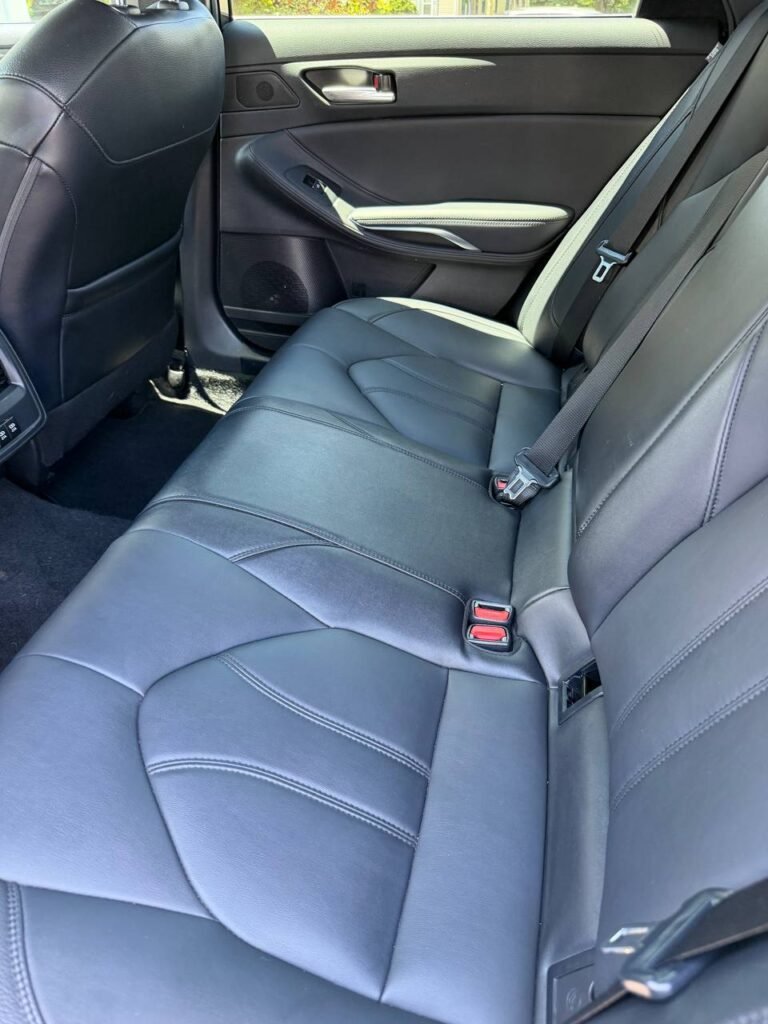
Understanding why car odors persist requires understanding where they actually live. Most people clean what they can see: seats, floor mats, dashboard, cup holders. But car odors rarely live on surfaces — they live deep inside materials:
- Inside foam padding: The foam beneath your carpet and seat cushions is extremely porous and absorbs liquids, pet dander, and odor molecules deeply. When you clean the surface, the foam beneath may remain saturated with odor-causing compounds.
- Inside HVAC systems: Mold, mildew, and bacteria thrive in the dark, moist environment of automotive HVAC ducts and evaporator coils. Odors from mold in the HVAC system blow directly into the cabin every time you turn on the air or heat.
- Inside headliners: The fabric headliner (the ceiling material) absorbs smoke, odors, and moisture over time. Because it’s above eye level and difficult to clean, it’s often missed entirely in DIY cleaning attempts.
- Inside door panels: Condensation, crumbs, and liquid spills often work their way into door panel cavities where they create persistent odor sources invisible to cleaning.
Surface cleaning addresses what’s on top — not what’s inside. Until the odor source material deep within the vehicle is addressed, the smell will continue returning regardless of how many air fresheners you use.
The Most Persistent Car Odor Types
Pet Odors
Pet odors are among the most challenging because they have multiple components: physical hair and dander embedded in fibers, urine or saliva that has soaked into seat foam, and biological compounds in dander that continue producing odor over time. Standard cleaning addresses visible fur and surface staining but rarely penetrates foam where biological odor compounds have saturated the material.
Smoke Odors
Cigarette, cigar, and marijuana smoke are notoriously persistent because smoke particles physically bond to every porous surface in the cabin — including the headliner, foam, carpet backing, plastic panels, HVAC ducts, and even the foam behind dashboard panels. Smoke odor that has been in a vehicle for years has penetrated layers that are essentially impossible to reach with surface cleaning products.
Mold and Mildew
Moisture intrusion from a leaking seal, a soaked carpet from rain or an open window during a storm, or persistent condensation from HVAC issues creates mold and mildew colonies that grow and produce musty odors. The source is often invisible — hidden beneath carpet or behind panels — and will continue growing and producing odor until the moisture source is eliminated and the mold colony is treated.
Food and Drink Spills
Coffee, milk, juice, fast food residue, and baby formula spills that reach carpet or seat foam are particularly stubborn. Organic material in food spills undergoes bacterial decomposition inside foam and carpet backing, continuously producing new odor compounds. The more time since the initial spill, the deeper the contamination and the harder the removal.
Chemical and Gas Odors
Off-gassing from new car plastics, fuel contamination from gas cans transported in the vehicle, or chemical spills can permeate interior materials. These odors typically fade with time and ventilation but can be accelerated with professional treatment.
Why Air Fresheners and Spray Deodorizers Don’t Work
Air fresheners and spray deodorizers work by masking odors with stronger fragrance molecules — they do not neutralize or eliminate the odor-causing compounds. The moment the masking fragrance dissipates, the original odor returns. Additionally, aerosol deodorizer sprays only reach surfaces — they do not penetrate foam, HVAC ducts, or the deep layers where most odor sources actually reside.
Consumer-grade odor eliminators labeled as “enzyme-based” or “activated charcoal” products are often significantly diluted compared to professional-grade formulations. They’re appropriate for freshening lightly used vehicles but inadequate for established, persistent odors from pets, smoke, mildew, or food contamination.
Professional Car Odor Removal: What Actually Works
True car odor removal requires professional-grade methods that go beyond surface cleaning. At Deelway Mobile Detailing, our odor removal service uses a multi-step approach:
Hot-Water Extraction
Commercial hot-water extractors force heated cleaning solution deep into carpet and upholstery fibers under pressure, then immediately extract the dirty water using high-powered suction. This process physically removes odor-causing compounds embedded in carpet and seat foam rather than simply cleaning the surface. A single professional extraction pass removes more embedded contamination than a dozen consumer shampoo treatments.
Professional Enzyme Treatment
Professional enzyme-based cleaners contain highly concentrated biological enzymes that literally digest the organic compounds causing pet, food, and body odors at a molecular level. These products are applied to affected areas, allowed to dwell long enough to penetrate foam and fibers, and then extracted. Unlike consumer enzyme products, professional formulations are concentrated enough to work at the depth where odor sources actually exist.
Ozone Shock Treatment
For severe odors — particularly smoke — that have permeated every material in the cabin, ozone shock treatment is the gold standard. An ozone generator placed inside the sealed vehicle produces high concentrations of ozone (O3) that penetrate every porous material in the cabin, chemically oxidizing and permanently neutralizing odor molecules bonded to foam, fabric, plastic, and even HVAC components. Ozone treatment takes 1 to 3 hours depending on severity and reaches areas that no physical cleaning method can access.
HVAC System Treatment
When mold or mildew odors originate from the HVAC system, professional treatment involves applying antimicrobial sprays directly into the HVAC intake and evaporator housing to kill mold colonies at the source. This step is essential for musty odors that appear specifically when the fan runs.
When Is Professional Odor Removal Necessary?
You should call a professional for car odor removal when:
- The odor has persisted through multiple cleaning attempts over more than 2 to 3 weeks
- The odor reappears within days of cleaning with consumer products
- The odor is strongest immediately after entering the vehicle from outside (indicating foam or HVAC contamination)
- The smell is musty, mildew-like, or intensifies when the HVAC fan runs
- You’re preparing the vehicle for sale and need the interior odor-free for showings
Deelway Mobile Detailing serves odor-troubled vehicle owners across Massachusetts including Boston, Quincy, Taunton, and surrounding communities. We come to your location — no drop-off required. Book online or call (508) 690-6120 today.
Frequently Asked Questions About Car Odor Removal
Why does my car smell bad even after cleaning?
Because most cleaning methods only address the surface of materials rather than penetrating the foam, carpet backing, and HVAC system where odor-causing compounds actually reside. Surface vacuuming and spray cleaners remove what’s visible but leave odor sources embedded in materials below the surface, where they continue producing smells until professionally treated with hot-water extraction, enzyme cleaners, or ozone treatment.
Can car odor removal eliminate cigarette smoke smell completely?
Yes — professional ozone shock treatment combined with full interior extraction and surface cleaning can eliminate even severe, long-term cigarette smoke odor from most vehicles. The process typically requires 2 to 4 hours and treats the entire cabin including headliner, foam, plastic panels, and HVAC system. Extremely severe multi-year smoke saturation may require multiple ozone sessions.
How long does professional car odor removal take?
A standard interior detail with enzyme treatment typically takes 3 to 5 hours. Adding an ozone treatment cycle extends the appointment by 1 to 3 hours depending on odor severity. The vehicle is ready to use after the ozone dissipates — typically 30 to 60 minutes after treatment ends. We’ll provide exact timing estimates when you book your appointment.
How do I get rid of a musty car smell?
Musty odors are almost always caused by mold or mildew — either in the HVAC system, beneath wet carpet, or inside door panels where moisture has accumulated. Professional treatment requires identifying and eliminating the moisture source first, followed by antimicrobial treatment of affected areas, hot-water extraction of carpets and upholstery, and if necessary, HVAC system treatment. An air freshener will temporarily mask the smell but mold will continue growing until professionally treated.
Is professional car odor removal worth the cost?
Yes, particularly for persistent odors that have survived multiple DIY attempts. Professional treatment addresses the actual source of the odor rather than masking it, producing lasting results rather than temporary improvement. For vehicles being sold, eliminating odors can add hundreds of dollars to sale price by eliminating one of the most common buyer objections. For vehicles you plan to keep, a professionally deodorized interior improves daily driving quality significantly.
Conclusion: Professional Car Odor Removal Solves What DIY Cannot
Effective car odor removal requires identifying and eliminating the source — not masking it with air freshener. Whether the cause is mold, pet dander, spilled milk, cigarette smoke, or water intrusion, professional-grade enzyme treatments, ozone generators, and hot-water extraction go far deeper than any consumer product. EPA indoor air quality guidance recognizes that enclosed vehicle interiors concentrate airborne pollutants and volatile organic compounds at higher levels than most buildings — making professional remediation especially valuable.
Deelway Mobile Detailing provides professional odor elimination across Massachusetts using industrial-grade treatments that destroy odor molecules at the source. We also offer complete pet hair removal to address the full range of animal-related interior issues. Book your car odor Removal service online today — we come to you anywhere in Massachusetts.
What Massachusetts Drivers Say About Deelway
“Deelway did an incredible job on my truck. I drive through construction sites daily and the interior was a mess. After one session it looked brand new — could not believe the difference. Highly recommend to anyone in southeastern Massachusetts.”
— Mike T., Taunton MA
“Booked online and they showed up on time. My car had not been professionally detailed in three years. The team was thorough, professional, and the price was very fair. Will definitely use them again.”
— Sarah K., Braintree MA
Eliminate Car Odors for Good — We Come to You
Deelway Mobile Detailing’s professional car odor removal service uses enzyme treatment and ozone technology to eliminate odors at the source. Serving Massachusetts drivers at their home or office.
Call (508) 690-6120
nn
Service Areas We Cover
Deelway Mobile Detailing brings professional car care directly to your driveway across southeastern Massachusetts and Greater Boston. No drop-off required.
nn
Ready for Professional Results?
Deelway Mobile Detailing comes to your home, office, or driveway across Massachusetts.
Related Services
We Serve Your City
n