
Learning how to detail a car at home can save money and keep your vehicle looking its best between professional visits — as long as you use the right tools and technique.
At home car detailing — the idea of cleaning, polishing, and protecting your vehicle in your own driveway using consumer products — is appealing for obvious reasons: you control the schedule, you keep the cost low, and you gain a satisfying sense of personal involvement in your vehicle’s upkeep. But DIY auto detailing has real limits that most guides do not address honestly. Some steps that define a professional detail simply cannot be replicated with consumer equipment. Knowing where DIY ends and where professional mobile detailing begins is the core of this guide.
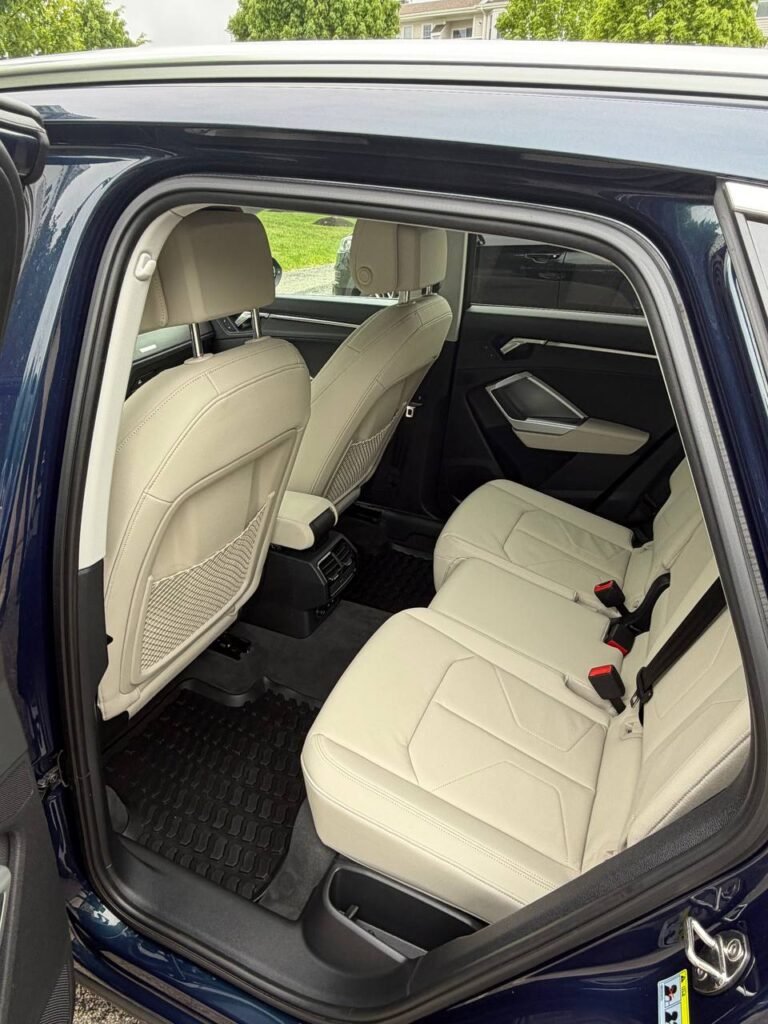
This is not a guide that will tell you to buy a $30 vacuum and call it an interior detail. It is an honest breakdown of what a motivated, equipped homeowner can genuinely accomplish, what requires professional equipment to do properly, and how to maintain your vehicle between professional appointments so that each professional service is faster, less expensive, and produces longer-lasting results. Whether you are trying to stretch the interval between professional details or deciding whether DIY is worth the investment at all, this guide gives you the full picture.
Deelway Mobile Detailing covers 25+ communities in southeastern Massachusetts. When the work exceeds what DIY can accomplish, we come to your driveway. Call (508) 690-6120 or book online for same-day confirmation. Open 7 days a week, 7AM to 6PM.
📄 In This Guide
At Home Car Detailing: What You Actually Need
Before starting any at home car detailing project, you need the right tools and chemicals. Consumer products vary widely in quality, and the equipment gap between professional and DIY is significant in certain areas. Here is an honest assessment of what you need for each level of at home detailing:
For Basic At Home Interior Detailing
- Shop vac or automotive vacuum with crevice tool and brush attachment
- Interior all-purpose cleaner (pH-neutral, safe for all surfaces)
- Dashboard and trim detailer/protectant spray
- Microfiber towels (minimum 6–10, quality matters — avoid cheap packs)
- Glass cleaner (ammonia-free for tinted windows)
- Leather cleaner and conditioner (for leather or leatherette surfaces)
- Soft detailing brushes for vents, seams, and cup holders
For Basic At Home Exterior Detailing
- Two-bucket washing system (one soap, one rinse — never a single bucket)
- pH-neutral car wash soap (never dish soap — it strips wax)
- Wash mitt (microfiber or lambswool — never a sponge)
- Wheel brush and dedicated wheel cleaner
- Drying towel (large waffle-weave microfiber or chamois)
- Spray wax or quick detailer for protection after washing
What You Cannot Replicate at Home
- Industrial hot water extractor (professional units run at 190°F with 100+ PSI; consumer versions reach 70–80°F) — critical for stain removal
- Professional clay bar system with chemical lubricants — consumer clay bars work but require proper technique to avoid marring
- Dual-action machine polisher used correctly — easy to damage paint without proper training
- Professional-grade iron remover and tar remover
At Home Interior Car Detailing: Step by Step
This step-by-step process covers what a thorough at home interior detail includes. Follow this sequence for the best results and to avoid cross-contamination between surfaces.
- Remove all personal items and trash first. Empty the car completely before any cleaning begins. Floor mats come out and are cleaned separately. This seems obvious but is the most commonly skipped step in at home car detailing.
- Vacuum all surfaces thoroughly. Work top to bottom: headliner (if accessible), sun visors, dashboard, seats (front and back), center console, door pockets, and then carpet and floor mats. Use the crevice tool for seat rails and the gap between seat bottom and backrest. Repeat vacuuming after each subsequent step — loosened debris settles as you clean.
- Clean the dashboard, center console, and door panels. Spray interior cleaner onto a microfiber towel (not directly onto surfaces) and wipe all hard surfaces. Use a detailing brush for air vents, seams, buttons, and textured surfaces where a towel cannot reach. Finish with a light application of trim protectant to prevent UV fading and cracking.
- Clean the seats. For fabric: spray enzyme cleaner on stains, work in with a soft brush, and blot with a clean microfiber. For light soil, a damp microfiber wipe is sufficient. For leather: use a dedicated leather cleaner applied with a soft cloth, wiped off gently, followed by leather conditioner. Note: consumer carpet extractors work but cannot match the dwell temperature and extraction pressure of professional equipment. For set stains, professional extraction is required.
- Clean the carpet. For surface soil: vacuum, spot-treat stains with enzyme cleaner, agitate with a brush, and blot dry. For deeply set stains or salt residue embedded in carpet fibers, home tools cannot achieve complete removal. Professional hot water extraction at 190°F is the only method that reliably removes deeply bonded contamination.
- Clean interior glass. Use ammonia-free glass cleaner on a folded microfiber cloth. Work in overlapping strokes, horizontal then vertical. The windshield interior is the hardest surface in any vehicle to clean without streaks due to film buildup from off-gassing dashboard plastics — use a dedicated glass scrubbing pad for heavy film before wiping clean.
- Final vacuum and deodorize. A second vacuum pass removes debris dislodged during cleaning. Sprinkle baking soda on carpet, leave 30 minutes, then vacuum for a light deodorizing effect. For pet, smoke, or mold odors, consumer approaches are insufficient — enzyme-based professional neutralization is required to address the organic source.
At Home Exterior Car Detailing: Step by Step
Exterior at home car detailing follows a strict sequence that protects your paint from scratches throughout the process. Skipping steps or changing the order introduces unnecessary risk to your clear coat.
- Rinse thoroughly before touching the paint. Use a garden hose or pressure washer (under 1,400 PSI from 2+ feet) to remove loose dirt and grit. Never apply a wash mitt or cloth to an unrinsed surface — dragging grit across dry paint causes swirl marks.
- Clean wheels first with dedicated wheel cleaner. Wheels are the most contaminated part of the vehicle. Clean them first so brake dust overspray does not fall onto a freshly washed paint surface. Use a wheel brush for barrels and a softer brush for face surfaces. Rinse completely.
- Two-bucket hand wash from top to bottom. Fill one bucket with soap solution and one with clean rinse water. Dip mitt in soap bucket, wash a section, rinse mitt in water bucket before reloading with soap. Work from roof to trunk to hood to lower panels. The two-bucket method prevents grit from being reintroduced to the paint surface on each pass.
- Rinse completely and dry immediately. Do not let soapy water air-dry — it leaves water spots. Use a large waffle-weave microfiber drying towel and pat-dry rather than dragging to minimize micro-scratches.
- Apply spray wax or quick detailer for protection. Spray wax applied to a clean surface provides 4–8 weeks of protection. This is the best protection step achievable in a home exterior detail. For durable protection lasting months to years, see professional ceramic coating.
- Clean exterior glass and trim. Clean all exterior glass with ammonia-free cleaner. Apply rubber and plastic trim dressing to all exterior trim pieces to prevent UV graying and cracking.
At Home Car Detailing vs Professional Mobile Detailing
| Factor | At Home Car Detailing | Professional Mobile Detailing |
|---|---|---|
| Time investment | 3–6 hrs of your time | 10 min to book; you go about your day |
| Extraction temperature | 70–90°F (consumer machines) | 190°F industrial hot water extraction |
| Set stain removal | Partial (surface layer only) | Complete (penetrates fiber) |
| Odor removal | Masking only | Enzyme neutralization at source |
| Paint decontamination | Consumer clay bar (risk of marring) | Professional clay + iron remover |
| Swirl mark removal | High risk without training | Safe, calibrated machine polishing |
| Chemical cost (initial outlay) | $100–$300 setup | $220–$320 per appointment |
| Long-term cost | Lower (products reused) | Higher per visit; fewer visits needed |
The honest assessment: for light maintenance between professional appointments, at home car detailing adds meaningful value. For set stains, road salt contamination, swirl marks, odor problems, or any work requiring extraction or polishing equipment, professional mobile detailing produces superior and often permanent results that DIY cannot match.
What At Home Car Detailing Cannot Do
Three categories of automotive detailing work consistently exceed what at home car detailing can reliably accomplish, regardless of product quality or effort:
1. Deep Stain and Salt Extraction
Consumer carpet cleaners, wet/dry vacuums, and steam cleaners do not reach the heat and suction levels of professional hot water extraction. Road salt embedded in carpet fibers after a New England winter, food stains that have dried and bonded to upholstery weave, and pet stains that have penetrated below the surface layer all require industrial extraction at temperatures consumer machines cannot achieve. Attempting these at home typically displaces contamination rather than removing it. Professional interior car detailing uses 190°F extraction that breaks down contamination at the fiber level.
2. Odor Elimination
Pet odor, cigarette smoke residue, and mold from wet carpet are caused by organic compounds that have penetrated fabric, foam, and HVAC systems. Baking soda, fabric sprays, and scented air fresheners mask these odors temporarily but do not neutralize the organic source. Professional odor removal uses enzyme-based treatments that chemically break down the odor-causing organic material, producing permanent elimination rather than temporary masking.
3. Paint Correction
Machine polishing to remove swirl marks and oxidation requires a dual-action polisher, multiple grades of abrasive compound, foam cutting and finishing pads, and the trained eye to assess paint depth and progress. Attempting machine polishing without training commonly results in additional paint damage, burned clear coat edges, or insufficient correction that looks worse under direct lighting than the original swirl marks. Professional paint correction and ceramic coating require professional equipment and expertise.
Using At Home Car Detailing to Maintain Between Professional Appointments
The highest-value use of at home car detailing is not as a replacement for professional service but as a maintenance routine between professional appointments. Here is the optimal approach for southeastern Massachusetts drivers:
Weekly: Quick Interior Pickup
Remove trash, wipe obvious spills with a damp microfiber, and vacuum high-traffic floor areas. Five minutes of weekly maintenance prevents small messes from setting into permanent stains over 6-month periods between professional details.
After Salt Events: Exterior Rinse
After significant snowfall or road salt application events in Massachusetts, rinse the exterior — especially wheel wells, lower panels, and underbody areas — with a garden hose as soon as temperatures allow. This prevents salt from drying onto paint and embedding in the clear coat between professional full details. This is especially important in November through March on any vehicle driven on Route 44, Route 18, Route 6, or other heavily treated Massachusetts roads.
Monthly: Quick Detailer Application
A quick detailer spray applied to the exterior with a clean microfiber towel removes light surface contamination and refreshes the protective layer on waxed surfaces. This extends the effective life of professional spray wax by 2–3 weeks per application. For vehicles with ceramic coating, a ceramic-safe quick detailer maintains the coating’s hydrophobic performance between appointments.
These at home maintenance steps reduce the workload at each professional appointment, which means your professional detail results look better, last longer, and in some cases cost less due to reduced restoration time. Read our car detailing frequency guide for the right schedule combining at home maintenance with professional service.
What At Home Car Detailing Actually Costs
A common assumption is that at home car detailing is much cheaper than professional service. The reality is more nuanced. Here is an honest cost breakdown:
Initial product setup for at home interior detailing: Quality vacuum ($80–$150), interior cleaner ($15–25), leather cleaner and conditioner ($25–40), glass cleaner ($10), 12-pack microfiber towels ($20–35), detailing brushes ($20–30). Total: $170–$280 upfront.
Initial product setup for at home exterior detailing: Two buckets with grit guards ($20–30), quality wash mitt ($15–25), car wash soap ($15–25), wheel cleaner and brush ($20–35), drying towel ($20–40), spray wax ($15–25). Total: $105–$180 additional.
Combined initial outlay: $275–$460 for products and tools that produce acceptable maintenance-level results. Compare to a professional full detail at $280–$320 that achieves deep extraction, clay decontamination, and results that consumer products cannot match.
For most Massachusetts drivers, the best financial model is: professional detail twice per year (spring post-salt and fall pre-winter) combined with light at home maintenance between appointments. This produces the best outcome at the best total cost. For a full pricing breakdown of professional services, see our Massachusetts mobile car detailing cost guide.
Deelway Mobile Detailing serves Raynham, Taunton, Norton, Mansfield, Stoughton, Easton, Brockton, West Bridgewater, Middleborough, Lakeville, Dighton, Berkley, Plainville, Wrentham, and Whitman. Full service area.
At Home Car Detailing — Frequently Asked Questions
When At Home Detailing Isn’t Enough, Deelway Comes to You
Set stains, embedded odors, swirl marks, and road salt damage require professional equipment. Deelway arrives at your driveway fully equipped. Interior from $220 • Full detail from $280 • 7 days a week.
Related Guides
- Mobile Car Detailing Near Me: The Complete Guide
- How Much Does Mobile Car Detailing Cost in Massachusetts?
- Interior Car Detailing vs Full Detail
- How Often Should You Detail Your Car?
- Professional Car Detailing vs Automatic Car Wash
- How to Protect Your Car From New England Weather
All Services
- Interior Car Detailing — from $220
- Full Car Detailing — from $280
- Ceramic Coating — from $500
- Paint Correction — from $250
- All Packages & Pricing
- Deelway Mobile Detailing — Home
Regular home upkeep between professional visits supports the maintenance schedule recommended by the Car Care Council.